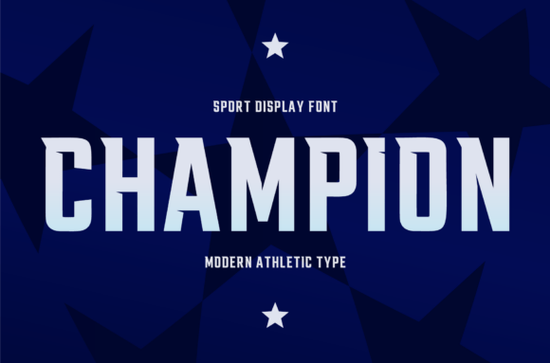
If you design merchandise for local leagues or create custom athletic apparel, finding the right typeface is crucial. The Champion Font offers a bold, condensed look specifically built for football graphics and powerful title designs. With tall, narrow proportions and sharp geometric cuts, it gives your typography a clean, professional appearance right out of the box.
How does this typography fit into sports branding?
Athletics require visuals that communicate energy, speed, and confidence. When you look at professional soccer logos or match-day posters, the lettering is rarely delicate. It needs to be readable from the stands. This display font delivers that championship attitude. The sharp edges mimic the dynamic nature of competition. If you are working on a project that requires a softer, more playful vibe for a youth summer camp, you might want to pair it with a relaxed summer typeface for the secondary text. However, for the main team name, this bold structure works perfectly.
What projects work best with a condensed display typeface?
Print-on-demand sellers and small businesses often need versatile assets. A narrow typeface saves horizontal space, allowing you to fit longer team names across the chest of a jersey or along the brim of a cap without shrinking the text size. Here are a few ways crafters and designers use this style:
- Custom Team Identities: Creating mascots and logos for local amateur clubs.
- Stadium Signs: Designing large-format banners where legibility is the top priority.
- Jersey Numbers: The geometric cuts make numerals look authentic and aggressive.
- Event Posters: Building hype for weekend tournaments.
Sometimes, a purely athletic look is not the only goal. If an apparel brand wants an edgy, streetwear-inspired sports line, combining this with a rougher display option can create an interesting visual contrast for their marketing materials.
Should you use the upright or slanted version?
The package includes two distinct styles to match different design needs. The upright version provides a strong, stable foundation. It works well for official documents, formal club crests, and structured athletic branding where tradition matters.
On the other hand, the 12° slanted style introduces a sense of motion. Slanted typography naturally guides the eye forward, making it an excellent choice for speed-focused sports like track and field or racing. If you are designing a graphic for a sprinting event, the slant adds immediate kinetic energy. For a completely different mood, like a flowing award certificate for the athletes, you could switch to a smooth script alternative for the recipient's name to keep the hierarchy clear.
How can hobbyists and small shops use this for football graphics?
You do not need to be a professional agency to make great sports gear. Hobbyists making custom gifts for coaches or parents can use this typeface to add a polished touch to simple items. A coffee mug with a bold, capitalized nickname looks highly authentic when set in a condensed athletic font.
When setting your text, pay attention to tracking. Condensed fonts often benefit from slightly tighter spacing to form a solid block of text, but be careful not to let the sharp geometric cuts overlap. If you ever need to add a retro pop-art feel to a sports comic or trading card design, checking out a bolder pop-style lettering might give you fresh ideas for your background elements.
Remember that contrast is key. Pair your heavy athletic headers with a clean, readable sans-serif for the body copy. If you prefer a highly traditional, classic look for historical sports retrospectives, an elegant serif choice might serve your body text better.
Final steps before exporting your design
Before you send your graphics to print, run through this quick checklist to ensure your typography looks its best:
- Check legibility from a distance, especially if designing for physical banners or apparel.
- Test both the upright and 12° slanted versions to see which matches the specific sport's energy.
- Adjust the kerning manually for short words to ensure the sharp edges align well without touching.
- Ensure high contrast between your text color and the jersey or background material.
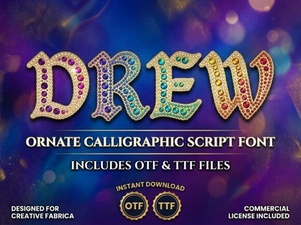 Drew Font for Creative Designs and Projects
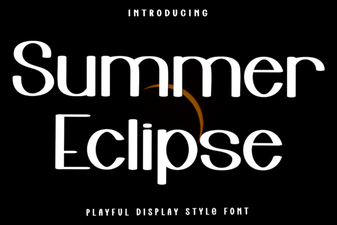 Summer Eclipse Font: Design Projects & Creative Uses
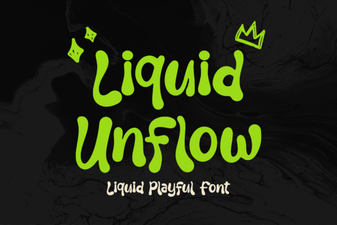 Unlock Your Design Flow with Liquid Unflow Font
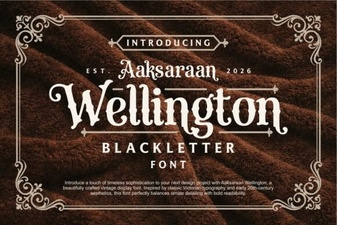 Design with Aaksaraan Wellington's Unique Style
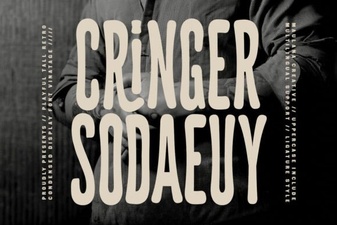 Cringer Sodaeuy Font: Creative Project Ideas & Usage
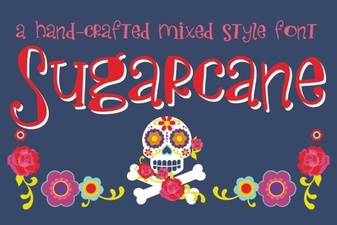 Design with the Sugarcane Font & Modern Typography