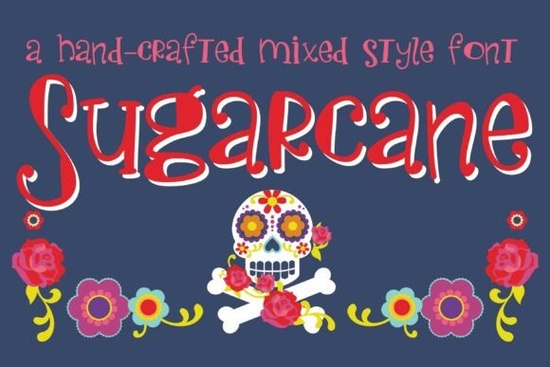
Typography sets the mood before a customer even reads a single word on your packaging or website. If you want to bring a vibrant, artisanal warmth to your next creative project, the Sugarcane Font is an excellent choice for display work. This highly expressive typeface features organic, hand-cut letterforms that immediately give off a festive, spirited vibe. By mixing uppercase and lowercase structures with sweeping initial curves and a crisp offset drop shadow, it bridges the gap between traditional folk festival art and contemporary indie branding.
What kind of projects work best with festive display lettering?
When choosing a typeface with this much personality, context is everything. The rustic yet crisp look draws heavy inspiration from cultural events like Dia de los Muertos, meaning it thrives in projects that require a distinct human touch. Small businesses and independent creators can use this style to make their products feel more approachable and handmade.
Here are a few specific ways crafters and business owners apply this kind of expressive typography:
- Boutique confectionery branding: The whimsical curves look fantastic on artisanal chocolate wrappers, custom bakery boxes, and specialty coffee bags.
- Custom apparel prints: Print-on-demand sellers can use the built-in drop shadow to create t-shirt designs that pop without needing complex layering in their design software.
- Colorful restaurant menus: Street food vendors and food trucks can use these playful shapes for their main headings to create a welcoming, lively atmosphere.
- Social media marketing: High-impact, passionate headlines help stop the scroll on platforms like Instagram and Pinterest, especially when promoting seasonal sales or local craft fairs.
How do you pair a highly decorative typeface with other fonts?
Because a detailed display typeface commands so much attention, your secondary fonts need to balance it out. If you are working on a brand identity, use the expressive lettering for the main logo mark and choose a simpler, highly readable sans-serif for your body text and pricing details. This keeps your layout clean while letting the decorative elements shine.
Building a versatile font library is essential for any designer. If you need something with a slightly different quirky edge, you might explore alternative playful typefaces built for children's products. Alternatively, a heavier, more robust lettering style like bold vintage-inspired designs can work well for rugged outdoor branding or heritage labels.
It is also helpful to keep a few varied scripts on hand for different client needs. A rougher, brush-style option like grungy hand-drawn letters offers a nice contrast to clean vector drop shadows. Meanwhile, if your project requires a sharp, futuristic look instead of an artisanal one, a geometric choice such as modern sci-fi typography will take the design in a completely different direction. Finally, for classic retro aesthetics, browsing through groovy seventies-style scripts can give you more layout options for music posters or event flyers.
What should crafters know about cutting and printing these letterforms?
For hobbyists using machines like Cricut or Silhouette, highly decorative fonts can sometimes present weeding challenges. The sweeping curves and offset shadows in this style mean there are floating elements and tight corners. When preparing your file for vinyl cutting, it helps to weld the overlapping letters together in your software. This turns the entire word into a single continuous shape, making it much easier to transfer to a mug or wooden sign.
If you are printing directly onto paper or fabric, the offset drop shadow naturally creates a sense of depth. You can print it in a single solid color, and the shadow will still provide excellent contrast against the background material.
A quick checklist for your next typography project:
- Use the typeface sparingly; stick to short headlines, quotes, or logos so the intricate details remain legible.
- Test the offset drop shadow against both light and dark backgrounds to ensure the text reads clearly from a distance.
- Pair the decorative letters with a neutral body font to keep your overall layout clean and professional.
- Weld overlapping characters if you plan to cut the design out of adhesive vinyl or heat transfer material.
- Always verify the commercial license terms before selling physical goods featuring the lettering.
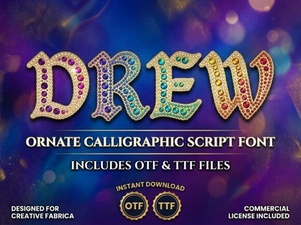 Drew Font for Creative Designs and Projects
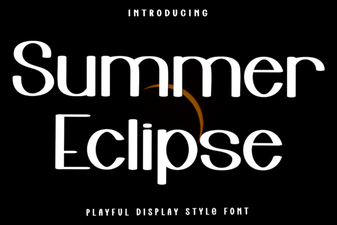 Summer Eclipse Font: Design Projects & Creative Uses
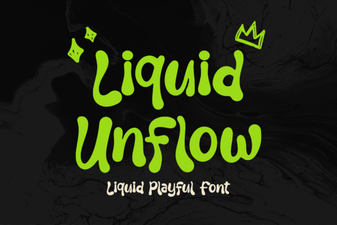 Unlock Your Design Flow with Liquid Unflow Font
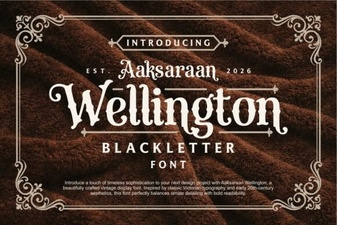 Design with Aaksaraan Wellington's Unique Style
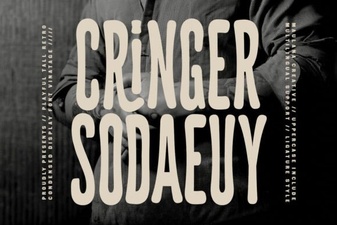 Cringer Sodaeuy Font: Creative Project Ideas & Usage
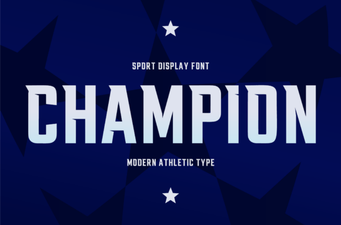 Champion Font: Bold Design for Modern Projects