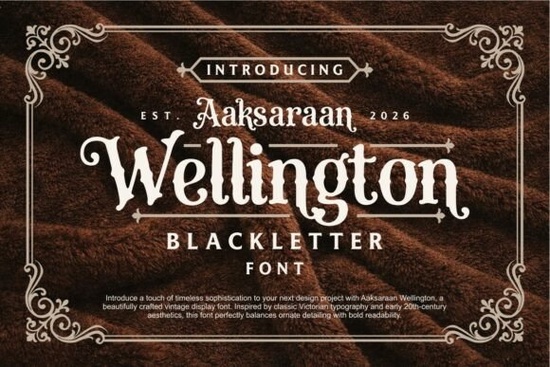
Finding the right typography for a retro or high-end branding project can be tricky. You need something with character but without sacrificing legibility. The Aaksaraan Wellington Font strikes this balance by blending Victorian-era inspiration with early 20th-century aesthetics. It is a beautifully crafted vintage display font that adds a nostalgic touch to posters, packaging, and logos. If you want to explore similar styles, you can check out Aaksaraan Wellington directly on Creative Fabrica.
How do you pair vintage display typography with other styles?
When building a brand identity, combining an ornate typeface with something simpler often works best. The intricate details of a historical font need room to breathe, so surrounding them with clean, modern text creates a balanced design. For instance, you might use Wellington for your main logo text, but rely on a cleaner option like Drew for your subheadings. You can see how it works in practice by looking at this modern display typeface.
Crafters who design greeting cards or wedding invitations often mix vintage styles with handwritten scripts. If you are looking for something with a friendly, organic feel to soften the bold lines of a Victorian typeface, Sugarcane is a great choice. Feel free to explore this casual script alternative to see how it complements structured letters.
Print-on-demand sellers might also want to explore Aexiron when creating merchandise that requires strong, impactful text. For those who need a heavier look on apparel, a heavier, bolder option helps the message stand out from a distance. Conversely, if your design leans more toward playful retro rather than strict historical aesthetics, Daisy Pop could offer a fun contrast. You can find more ideas by checking out this bubbly pop style. To see all the specific details about the main font we are discussing, visit the dedicated page for this specific vintage display design.
What projects work best for a Victorian-inspired typeface?
Small businesses looking to create premium packaging will find the ornate detailing highly effective. Think of artisanal coffee bags, craft beer labels, or boutique soap wrappers. The bold readability ensures that customers can read the brand name easily on a crowded retail shelf. The striking visual impact immediately communicates a sense of established quality and heritage.
For creative hobbyists working on scrapbooking, junk journaling, or mixed media art, this typography adds an authentic historical feel. You can use it for chapter titles, cover pages, or custom stickers. The early 20th-century aesthetic fits perfectly with sepia-toned photographs and distressed paper textures.
Apparel designers can use the striking visual impact for graphic tees and tote bags. A large, centered vintage quote or a single impactful word printed in this style instantly creates a high-quality, boutique aesthetic. It works exceptionally well for streetwear brands that draw inspiration from classic Americana or old-school workwear.
How do you keep ornate fonts readable in your designs?
Ornate typography is beautiful, but it requires careful handling to ensure your audience can actually read your message. Here are a few practical ways to maintain legibility:
- Use it sparingly: Limit the vintage display font to headlines, logos, or short quotes. Do not use it for long body paragraphs, as the intricate details will cause eye strain over time.
- Create strong contrast: Always pair it with simple sans-serif fonts for the supporting text. This creates a visual hierarchy that guides the reader's eye naturally.
- Give it space: Increase the letter spacing (tracking) slightly if you are setting a word in all caps. This helps the ornate serifs and curves breathe without overlapping.
- Choose the right background: Highly detailed letters can easily get lost on busy patterns. Place the text on solid colors or very subtle gradients to ensure it pops.
Next steps for your design project
Before you finalize your artwork, run through this quick checklist to ensure your vintage typography looks its best:
- Check your spelling and kerning at 100% zoom to catch any awkward gaps between specific letter pairs.
- Print a test copy on paper to verify that the ornate details remain sharp and do not blur together at smaller sizes.
- Test your color contrast using a digital accessibility tool to make sure the text is easily readable against your chosen background.
- Save a master file with your font pairings documented so you can maintain consistency across all future brand materials.
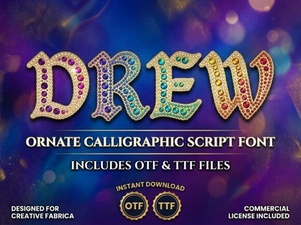 Drew Font for Creative Designs and Projects
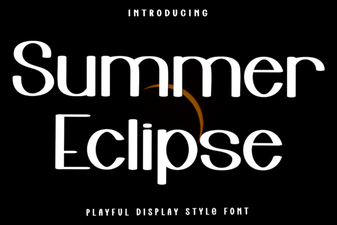 Summer Eclipse Font: Design Projects & Creative Uses
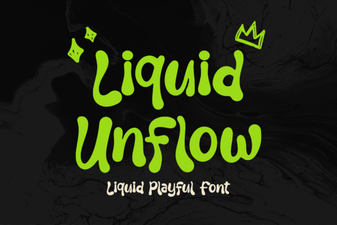 Unlock Your Design Flow with Liquid Unflow Font
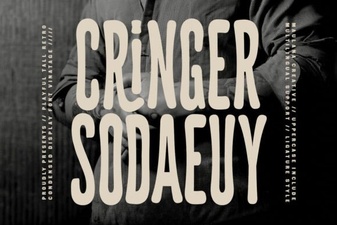 Cringer Sodaeuy Font: Creative Project Ideas & Usage
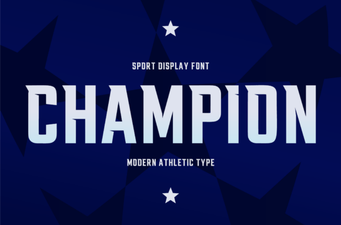 Champion Font: Bold Design for Modern Projects
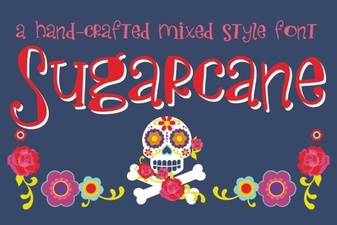 Design with the Sugarcane Font & Modern Typography