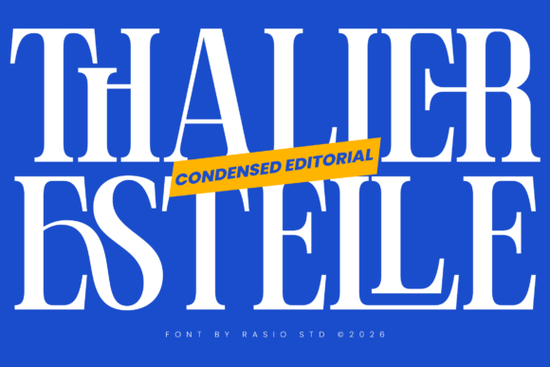
Finding the right typography for luxury branding often comes down to selecting a typeface with the right balance of contrast and structure. If you are working on a fashion campaign or a premium magazine layout, the Thalier Estelle Font offers a highly refined approach to editorial design. Crafted with tall proportions and elegant condensed letterforms, it provides the sophisticated presence needed for impactful headlines. Designers and small business owners rely on these specific structural details to communicate quality before a customer even reads the text.
What Makes a Modern Editorial Serif Stand Out?
When designing for high-end markets, readability and style must work together. A modern editorial serif relies on refined contrast between thick and thin strokes. This creates a visual rhythm that draws the reader's eye naturally across the page. Thalier Estelle achieves this through its dramatic serif structure and exceptionally clean spacing. The sharp transitions between heavy and light lines give the text a sense of movement. Designers often look for this specific balance when building visual identities for boutique hotels, luxury skincare lines, or high-fashion editorial spreads.
If you prefer a slightly different aesthetic but still want that classic feel, exploring other options like a typeface with strong traditional roots can help you compare different stroke weights. However, the tall, condensed nature of this specific collection makes it highly useful when you have limited horizontal space but need to maintain a bold, authoritative voice. The complete set includes uppercase and lowercase characters, numerals, and punctuation, ensuring you have every tool needed for a full branding kit.
How Can You Use Condensed Letterforms in Branding?
Small businesses, crafters, and print-on-demand sellers often struggle with fitting long brand names or catchy slogans onto product packaging. Condensed letterforms solve this problem by taking up less width while remaining highly legible at various sizes. You can use this style effectively for cosmetic labels, apparel hang tags, or boutique storefront signage.
The uppercase letters are perfect for primary logos, while the lowercase characters allow for versatile styling in editorial subheadings. Because the design is inherently narrow, it frees up valuable white space on your canvas, allowing your product photography to breathe. For a slightly more relaxed take on luxury typography, you might also look into how a softer serif design performs on textured paper stocks or woven fabric labels. Matching your typography to the physical material of your product is a crucial step in building a cohesive brand identity.
Which Projects Benefit Most from Dramatic Serif Structures?
The sharp edges and distinct curves of a dramatic serif are perfect for projects that require immediate visual impact. Creative hobbyists and professional designers alike can apply this style to a wide variety of mediums. Consider using this typeface for:
Fashion lookbooks and seasonal campaign posters
High-end restaurant menus and artisan wine labels
Magazine cover titles and feature article headers
Formal wedding invitation suites and event stationery
Crafters creating custom vinyl decals or letterpress wedding stationery will find that the numerals and punctuation marks match the elegance of the alphabet perfectly. This consistency is vital for projects where every character needs to feel intentional. When pairing this with other typefaces for body copy, choosing a contrasting display option creates a beautiful visual hierarchy on your final printed piece.
How Do You Ensure Proper Licensing for Commercial Use?
Before finalizing any design for a client or product you intend to sell, always verify the commercial license terms. Understanding these terms protects your business from copyright issues. You can review the specific details and download the files directly from the official product page to ensure you have the correct rights for your premium typography layouts.
Practical Checklist for Your Next Typography Project
To get the best results when setting up your next design, follow these quick steps:
Test your chosen typeface at multiple sizes to ensure the thin strokes do not disappear when printed small.
Pair your dramatic serif header with a clean, highly legible sans-serif for the body paragraphs.
Adjust the letter spacing slightly tighter for large headlines to create a more cohesive visual block.
Always print a physical proof before committing to a large production run, especially for luxury packaging.
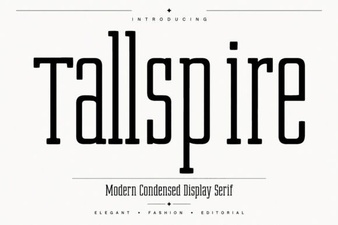 Elevate Your Designs with the Tallspire Font
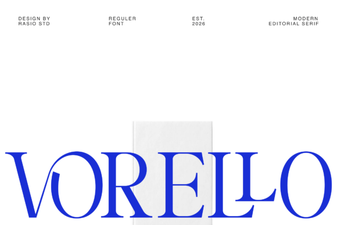 The Vorello Font: Design Ideas & Creative Applications
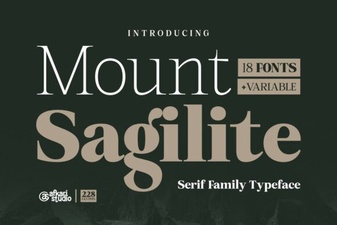 Download the Mount Sagilite Font for Free
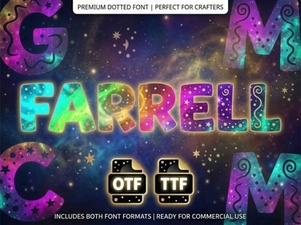 The Farrell Font for Modern Designers & Creatives
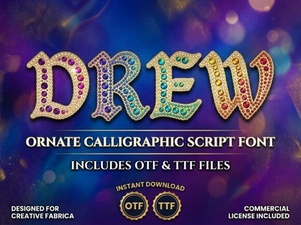 Drew Font for Creative Designs and Projects
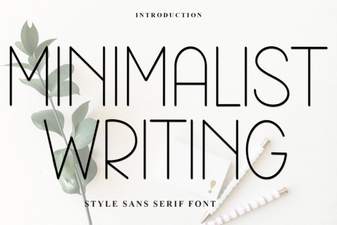 Minimalist Fonts for Clean and Impactful Design