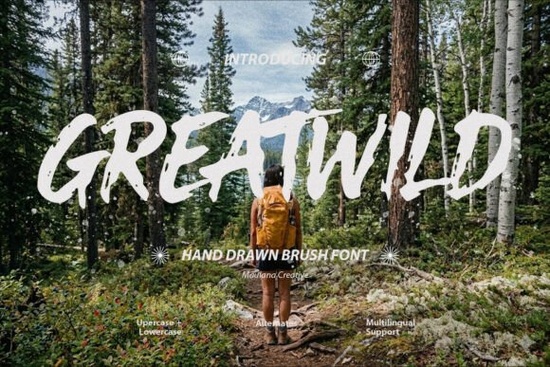
Finding the right typography for a rugged brand often means looking past clean, standard typefaces. The Greatwild Font offers a raw, hand-drawn brush style that brings an authentic edge to creative projects. If you are designing merchandise, posters, or music covers, this typeface provides the rough texture and forward motion needed to make a strong visual statement. Crafters and small business owners often struggle to find lettering that feels genuinely handmade rather than digitally manufactured, and this specific brush design solves that problem.
How does a rough brush font improve merchandise designs?
When creating print-on-demand products like t-shirts, tote bags, or enamel pins, standard fonts can sometimes look flat or mass-produced. A textured brush typeface adds a human element to the design. The uneven, energetic strokes mimic real paint or ink, making the final product feel handcrafted. Small businesses and crafters often use this style for outdoor apparel, camping gear, or artisanal food labels because it communicates a natural, unrefined aesthetic.
By using a font with built-in texture, you save time on manually distressing your text in design software like Adobe Illustrator or Canva. The rough edges are already baked into the glyphs. This is especially helpful for hobbyists who might not have advanced skills in vector manipulation but still want a professional, gritty look for their storefronts.
What projects work best with hand-drawn lettering?
Typography with a dynamic, forward motion naturally draws the eye, making it highly effective for promotional materials. You will often see this style applied to specific niches where a polished, corporate look would feel out of place:
- Event posters: Concerts, outdoor festivals, and indie art shows benefit from the loud, energetic vibe.
- Website headers: A bold brush wordmark immediately sets a rugged tone for a brand's homepage or landing page.
- Album covers: Rock musicians and alternative bands frequently use rough strokes to match their acoustic or electric sound.
- Packaging: Craft breweries and organic coffee roasters use textured text to emphasize their artisanal production methods.
If your project requires a completely different mood, exploring other styles is always a good idea. For example, a bakery or children's clothing line might prefer a sweeter, more rounded option like the glucose family. On the other hand, a wedding invitation designer or luxury boutique might lean toward the elegant flow found in natiques to convey sophistication.
Can you pair an energetic typeface with other scripts?
Mixing fonts is a standard practice for establishing visual hierarchy. Because this particular brush typeface is heavy and highly textured, it works best as a primary display font for short words, logos, or main headings. For your subheadings or body text, you need something that provides contrast without competing for attention.
Pairing it with a clean sans-serif keeps the layout modern and readable. However, if you want to stick entirely to handwritten styles, you can combine it with floral and delicate styles such as mango bloom for a mixed-media aesthetic. Just remember to keep the secondary font legible. For those specifically looking to match this rugged style with something similar, you can read more about the script font version of Greatwild to see how the different weights interact. If your brand leans toward youth apparel or summer treats, you might even try playful alternatives like the ice cream drips family to contrast the raw energy with something lighthearted.
How do you format custom fonts for commercial printing?
Once you download the files, installing them on your operating system is straightforward. On Windows, right-click the TrueType or OpenType file and select install. On a Mac, double-click the file and choose install in the Font Book app.
When formatting your text, pay close attention to the spacing. Hand-drawn fonts often have unique kerning. You may need to manually adjust the space between specific letter pairs to ensure the rough edges do not overlap awkwardly. Keep your leading, or line spacing, generous. The tall, erratic strokes of brush lettering can easily tangle if lines are placed too close together. Additionally, when preparing files for screen printing on apparel, ensure your text is converted to outlines or paths so the printer does not experience missing font errors.
Next steps for your typography project
- Define the core message of your brand before choosing a heavily textured font.
- Test your chosen typeface at different sizes to ensure the rough edges remain legible on small screens or printed tags.
- Pair your bold display text with a highly readable, simple font for any long-form descriptions.
- Always convert text to outlines before sending files to a commercial print shop.
- Review the specific commercial license of your downloaded files before selling any physical merchandise.
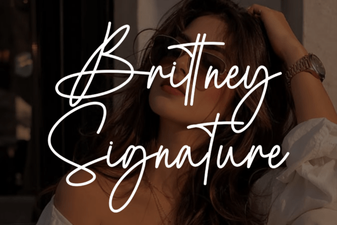 The Brittney Signature Font for Handcrafted Projects
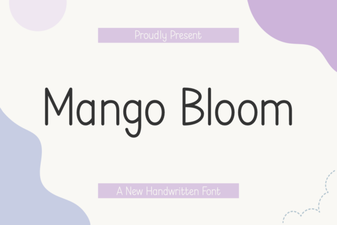 Font Designs Inspired by Tropical Mango Blooms
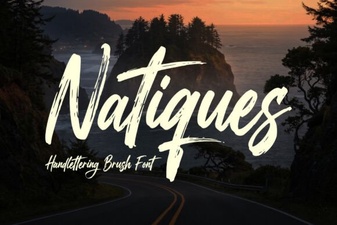 Natiques Font: Elegant and Creative Typeface Projects
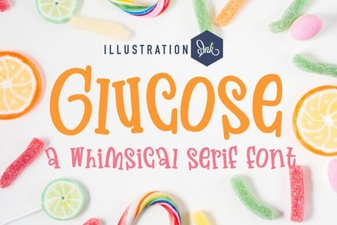 Elevate Designs with Glucose Family Font
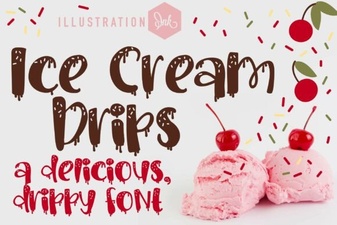 Font Design Ideas for Family Projects with Ice Cream Drips
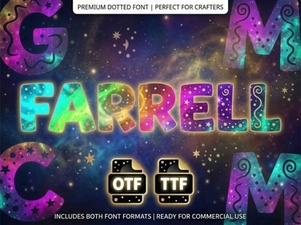 The Farrell Font for Modern Designers & Creatives