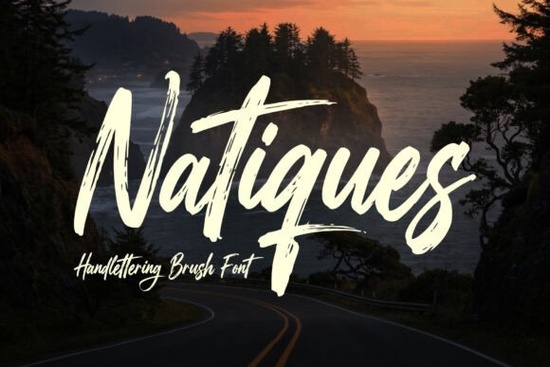
What makes hand-drawn brush typography work for branding?
Branding relies heavily on visual identity, and typography plays a massive role in how customers perceive a business. A standard sans-serif font might look clean, but it often lacks character. Brush scripts bring a human element to the table. They mimic the imperfections and varied pressure of a physical paintbrush or marker.
For small business owners creating artisan logos or product labels, this human touch builds trust. It tells the customer that real people are behind the brand. The strong visual impact of thick, textured letters ensures readability even from a distance, which is crucial for storefront signage or trade show banners. Creative hobbyists making custom gifts will also find that this type of lettering adds a premium, bespoke quality to items like wooden signs or acrylic keychains.
How can you pair bold brush scripts with other typefaces?
Using a heavy, expressive font on its own can sometimes overwhelm a design. The secret to professional layout design is contrast. When your main title uses a thick brush style, your supporting text should provide visual relief. Here are a few ways to build a balanced typographic hierarchy:
- If you want a sophisticated, feminine look for a boutique logo, try pairing your bold main text with an elegant signature style for the tagline.
- For a rustic, nature-themed project like a camping gear brand, mixing your primary letters with bold outdoor branding typefaces creates a highly cohesive wilderness aesthetic.
- When designing for children's apparel or summer sales, combining the main text with sweet and playful lettering keeps the overall mood light and approachable.
- If you are working on botanical wedding stationery, integrating floral-inspired scripts as secondary elements will complement the organic brush strokes beautifully.
- For novelty items like custom coffee mugs or retro party flyers, adding fun dripping text effects alongside your primary text can create a striking, attention-grabbing contrast.
Which projects are best suited for textured lettering?
Because of its rugged yet stylish flow, this specific typography is highly versatile. Print-on-demand sellers can use it across a wide variety of merchandise. It prints exceptionally well on dark fabrics, as the thick strokes prevent the design from looking washed out. Crafters using vinyl cutting machines will appreciate the smooth flow of the letters, which reduces the risk of tearing during the weeding process.
Consider using this lettering style for:
- Apparel: Graphic tees, canvas tote bags, and embroidered denim jackets.
- Packaging: Kraft paper coffee bags, artisan soap wrappers, and boutique candle labels.
- Digital Media: YouTube channel art, podcast cover thumbnails, and social media quote graphics.
- Stationery: Greeting cards, custom planner covers, and event invitations.
What technical settings should you adjust before exporting?
Even the best typography needs proper formatting. When working with expressive brush fonts, default settings in design software like Adobe Illustrator, Canva, or Procreate might not yield the best results. Pay close attention to your kerning, which is the space between individual characters. Hand-drawn fonts often have unique letter widths, so you may need to manually adjust the spacing to prevent awkward gaps or overlapping strokes.
Additionally, check the leading, or line spacing, if your design includes multiple lines of text. Thick brush strokes require more breathing room between lines to maintain readability. Finally, always test your design at the actual print size. A textured edge that looks beautiful on a high-resolution monitor might print as a blurry smudge on a small business card.
Pre-export checklist for your next design project:
- Adjust manual kerning to ensure the natural brush strokes connect smoothly without awkward gaps.
- Increase line spacing for multi-line layouts to keep the heavy text highly readable.
- Convert your text to outlines or shapes before sending the file to a commercial printer or cutting machine.
- Test the color contrast between your textured font and the background material.
- Do a small test print to verify that the rough edges remain crisp and clear at the final physical size.
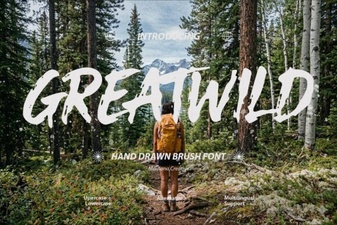 Greatwild Font Design Ideas & Download Guide
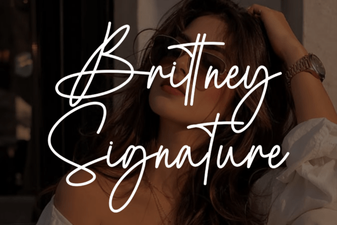 The Brittney Signature Font for Handcrafted Projects
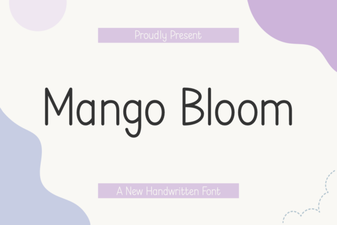 Font Designs Inspired by Tropical Mango Blooms
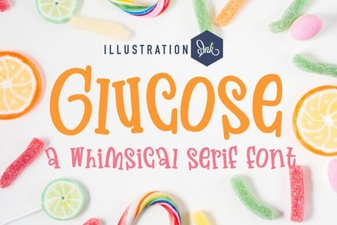 Elevate Designs with Glucose Family Font
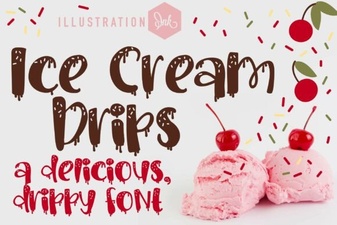 Font Design Ideas for Family Projects with Ice Cream Drips
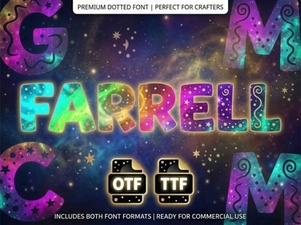 The Farrell Font for Modern Designers & Creatives