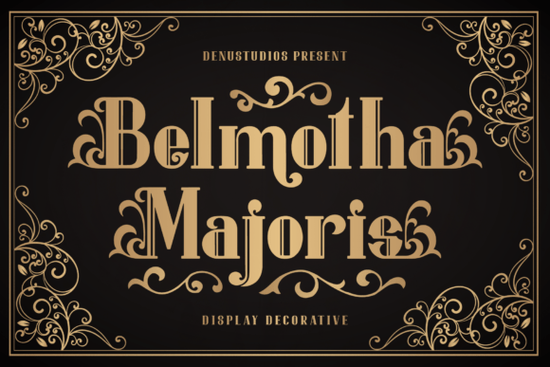
When building a brand identity that requires a sense of history and premium quality, typography plays a crucial role. The Belmotha Majoris Font offers a highly detailed solution for these projects. This display serif typeface blends heavy, blocky letterforms with intricate Victorian styling. The dual vertical pinstripe inlay paths and outward-curling bracketed serifs give it a theatrical, regal appearance. For designers working on independent craft distillery labels or historical fiction book covers, finding typography that balances weight and elegance is often a challenge. This lettering answers that need by providing structural presence without sacrificing ornate character.
What projects benefit most from this Victorian display serif?
Because of its dense structure and sweeping calligraphic flourishes, this typeface works best in environments where you want to command attention. Small businesses and crafters often use it for boutique luxury cigar packaging. The heavy strokes ensure the brand name remains legible from a distance, while the fine pinstripe details reward closer inspection. Print-on-demand sellers can also apply it to themed vintage parlor identities. For example, designing a line of graphic t-shirts featuring fictional 1890s apothecaries or classic cocktail bar menus looks incredibly authentic with this choice. The heavy weight ensures that the text remains readable after washing, while the historical flair adds instant value to the merchandise.
How does it bridge vintage styles with modern luxury branding?
Historical typography can sometimes feel dated if not applied correctly. However, the sharp, dramatic serifs and clean lines in this collection allow it to fit seamlessly into modern premium branding. You can pair it with minimalist sans-serif body text to create a stark, readable contrast. When exploring different typographic directions, you might also look into other historical lettering styles to see how they compare in terms of weight and formality. By combining these traditional elements with modern layouts, you create a visual identity that feels both established and current.
What are the best practices for formatting text with this typeface?
Using highly ornate fonts requires a careful approach to spacing and layout. Here are a few ways to get the most out of the letterforms:
- Limit your word count: The intricate details can become overwhelming in long sentences. Stick to short titles, logos, or headers.
- Adjust the tracking: Depending on your background, you may need to slightly increase the space between characters to ensure the curling serifs do not overlap awkwardly.
- Choose complementary colors: Deep, rich tones like burgundy, forest green, or gold foil accents highlight the 19th-century salon signage aesthetic perfectly.
Is it suitable for social media graphics?
Yes, it is an excellent choice for high-impact social media titles. Creative hobbyists and digital marketers often struggle to make text stand out on busy feeds. The blocky, theatrical attitude of this font ensures readability even on small mobile screens. When you use it for Instagram quotes or Pinterest pins related to history, literature, or luxury products, the heavy strokes grab attention immediately. Just remember to keep the background clean so the dual vertical pinstripe inlays remain visible.
What software programs support these detailed letterforms?
Most design applications handle this typeface without issues. Whether you use Adobe Illustrator for vector-based logo creation, Photoshop for digital composites, or even Canva for quick social media templates, the font files install just like any standard system typeface. Crafters working with Cricut or Silhouette machines can also utilize the bold weight for vinyl decals, provided they simplify the intricate pinstripes for clean cutting. For the best results, avoid sizing the text so small that the delicate bracketed serifs get lost in the material grain.
How should you prepare the font files for printing?
For independent craft distilleries producing physical labels, file preparation matters. Always convert your text to outlines or curves before sending the design to a commercial printer. This step guarantees that the sweeping calligraphic flourishes and complex bracketed serifs print exactly as you designed them, regardless of the computer system the printer uses. If you are working with metallic foils or embossing, the heavy weight of the letters provides ample surface area for those premium finishing techniques.
Quick Checklist for Your Next Design
Before finalizing your project, make sure you have checked the following:
- Text is converted to outlines for commercial printing.
- Kerning is adjusted so ornate serifs do not clash.
- The font is reserved for short, high-impact headlines rather than body copy.
- Color contrast allows the pinstripe inlay paths to remain distinct.
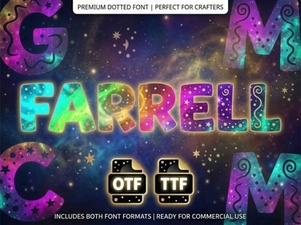 The Farrell Font for Modern Designers & Creatives
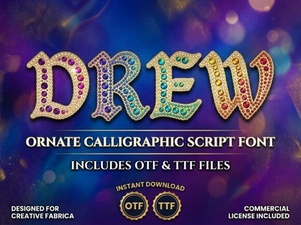 Drew Font for Creative Designs and Projects
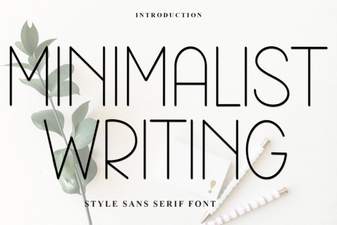 Minimalist Fonts for Clean and Impactful Design
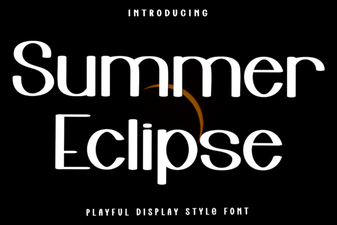 Summer Eclipse Font: Design Projects & Creative Uses
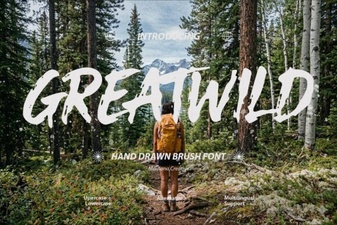 Greatwild Font Design Ideas & Download Guide
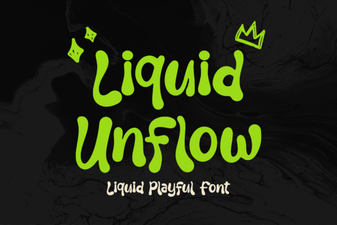 Unlock Your Design Flow with Liquid Unflow Font