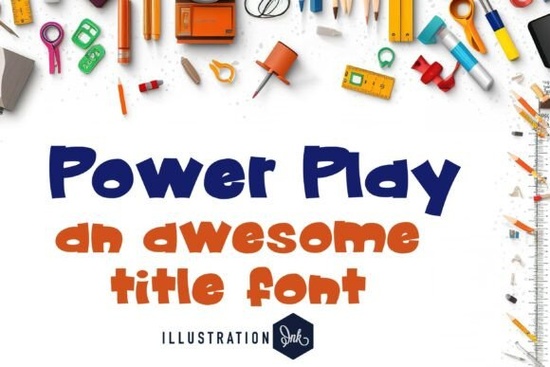
Finding the right typography for a loud, attention-grabbing project can be difficult, especially when most modern typefaces lean toward thin and delicate. The Power Play Font offers a direct solution for creators needing an ultra-solid block display typeface. Designed with thick, horizontally expanded letterforms, this font captures a fearless and fizzy personality that immediately stands out. It sits perfectly at the intersection of retro comic book speech bubbles and modern pop-art merchandise. This unique blend gives crafters, print-on-demand sellers, and small businesses a heavy structural footprint for their visual branding without feeling outdated.
How does a chunky block typeface improve product packaging?
When you design labels for independent craft beverages or boutique snack wrappers, legibility from a distance is absolutely critical. A low-slung stance and organic hand-cut angles give the letters a commanding posture on the shelf. The mixed geometric counters provide enough breathing room so the thick strokes do not blur together when printed on textured paper, matte finishes, or metallic foil.
Print-on-demand sellers can also leverage this weight for apparel graphics. A heavy text block prints cleanly on dark cotton t-shirts and canvas tote bags. Because the letterforms have a hand-cut aesthetic, they avoid the sterile look of purely digital geometry. If your packaging project requires visual contrast, you might balance these heavy headlines with cleaner minimalist writing styles for the nutritional facts, ingredient lists, or brand story on the back panel.
What makes this style work for YouTube and social media?
Animated YouTube thumbnail titles need to stop the scroll immediately, and subtle typography rarely achieves that goal. The bold and bouncy nature of this lettering mimics the high-energy aesthetics of vintage cartoons and classic comic books. It reads clearly even when scaled down to the size of a smartphone screen. Creators know that thick, highly visible text increases click-through rates because viewers can process the topic in a fraction of a second.
Designers often compare this with sharper geometric options when planning a retro-modern layout, but the organic edges here add a human touch that feels much more approachable. It brings a completely different energy than casual handwritten scripts that you might use for personal vlog branding or lifestyle content. For social media headers, the horizontally expanded width helps fill negative space efficiently, creating a balanced banner without requiring excessive decorative elements.
Which projects pair well with this display font?
Because of its loud personality, this typeface works best as a primary focal point rather than standard body copy. It is ideal for short, punchy phrases on streetwear graphics, event posters, podcast cover art, and vinyl sticker packs. The font naturally commands attention, making it highly effective for promotional sale banners or limited-edition product drops.
For those building a tech-heavy or sci-fi brand, futuristic sans serif choices might be more appropriate, but for anything rooted in pop culture, artisanal food, or entertainment, this chunky style wins. You can review the full character set, available weights, and commercial licensing details by visiting the dedicated typography page before starting your layout.
How should you format text using heavy display fonts?
Working with ultra-thick letterforms requires a specific approach to spacing and color management. Because the characters are horizontally expanded, tight kerning can easily cause the organic angles to clash and become illegible.
- Adjust the tracking: Add slight letter-spacing to let the mixed geometric counters breathe. This is especially important for short, three-to-four letter words.
- Use high contrast colors: Place the dark, heavy text against bright, solid backgrounds like mustard yellow, electric blue, or cherry red to emphasize the pop-art vibe.
- Avoid long paragraphs: Restrict this font to headlines, logos, and short calls to action. Switch to a standard, highly legible sans serif for anything longer than a single sentence.
- Test print scaling: Always print a physical mockup to ensure the hand-cut details remain sharp and do not fill in with excess ink on smaller merchandise.
Before finalizing your next design, run through a quick pre-flight checklist to ensure professional results. Verify that your canvas resolution is set to at least 300 DPI for print projects like beverage labels. Confirm that your color profile matches your intended output, whether that is CMYK for physical snack wrappers or RGB for digital social media headers. Finally, outline your text if you are sending the file to a commercial printer who may not have the specific typeface installed on their system.
Try It Free Minimalist Fonts for Clean and Impactful Design
 Okaybro Font: Download for Graphic Design Projects
 Agrix Font: the Modern Designer's Essential Tool
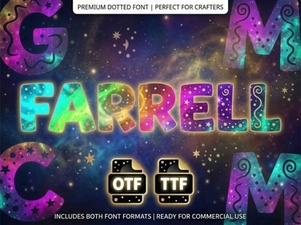 The Farrell Font for Modern Designers & Creatives
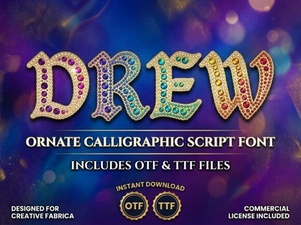 Drew Font for Creative Designs and Projects
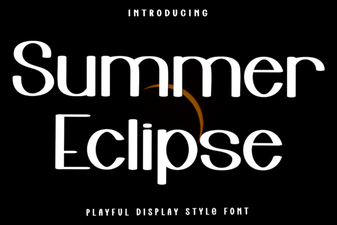 Summer Eclipse Font: Design Projects & Creative Uses